Materials Engineering — Mechanical Behavior
Why Grey Cast Iron Fails Under Bending
An inside look at the graphite flake structure that makes grey cast iron brittle under flexing loads — and where the material still excels despite it.
The Direct Answer: Grey Cast Iron Cannot Absorb Bending Strain
Grey cast iron is unsuitable for parts that require bending or flexing because its microstructure contains graphite flakes that act as internal stress concentrators, causing the material to crack rather than deform under tensile strain. Grey cast iron has an elongation at break of typically less than 1%, compared to 15–25% for structural steel and 10–15% for many aluminum alloys. This means that when a grey cast iron part is subjected to repeated bending or flexing, it reaches its fracture point almost immediately after the elastic limit, with virtually no plastic deformation to warn of impending failure. A component that needs to flex even slightly during normal operation—such as a spring, a bracket subject to cyclic loading, or a bracket exposed to vibration-induced bending—is fundamentally mismatched with the mechanical behavior of gray iron casting.
This brittleness is not a manufacturing defect that can be engineered away through better casting technique. It is a direct consequence of the graphite flake morphology that defines grey cast iron as a material family. Understanding the metallurgical reasons behind this limitation, along with the specific failure modes and the design contexts where it matters most, helps engineers and buyers avoid costly component failures.
The Metallurgical Root Cause: Graphite Flake Geometry
Grey cast iron gets its name and its characteristic grey fracture surface from flake-shaped graphite particles distributed throughout the iron matrix. These flakes form during solidification as carbon precipitates out of the melt rather than remaining dissolved or forming spherical nodules, as it does in ductile iron. While this flake structure gives grey cast iron excellent vibration damping and thermal conductivity, it also creates sharp-edged internal discontinuities within the metal.
Grey cast iron
Stress Concentration at Flake Tips
Each graphite flake behaves mechanically like a pre-existing microscopic crack. When a bending load is applied, tensile stress concentrates sharply at the tips of these flakes—often by a factor of 3 to 5 times the nominal applied stress. Because the iron matrix around the flakes has limited ability to yield plastically before fracture, these localized stress spikes propagate into cracks well before the bulk material reaches its theoretical strength. This is fundamentally different from ductile materials, where stress concentrations are relieved through localized plastic flow.
Asymmetric Tensile and Compressive Behavior
Grey cast iron also behaves very differently in tension versus compression, which is particularly relevant to bending because bending always produces both a tension side and a compression side across the cross-section. Grey cast iron can withstand compressive stresses of up to 3–4 times its tensile strength. In a bending scenario, the tension side of the part reaches its much lower failure threshold long before the compression side is stressed anywhere near its limit, making the tensile side the controlling factor in any flexing application.
Mechanical Property Comparison for Bending Applications
The table below illustrates why materials commonly chosen for flexing or spring-like applications differ so significantly from grey cast iron across the properties that matter most for bending performance.
| Material | Elongation at Break | Tensile Strength (MPa) | Suitable for Flexing? |
|---|---|---|---|
| Grey Cast Iron (Class 30) | Under 1% | 210 – 260 | No |
| Ductile (Nodular) Iron | 10 – 18% | 414 – 550 | Limited |
| Mild Structural Steel | 20 – 25% | 400 – 550 | Yes |
| Spring Steel | 10 – 15% | 1200 – 1900 | Yes |
The near-total absence of plastic elongation in grey cast iron is the single clearest indicator that any gray iron foundry product should be excluded from applications involving repeated flexing, deflection under load, or shock-induced bending.
How Grey Cast Iron Fails Under Flexing Conditions
Sudden, Brittle Fracture
Because there is little to no plastic deformation before failure, a grey cast iron component subjected to bending typically shows no visible warning signs such as bending, bowing, or surface distortion. The part performs normally until it reaches its fracture stress, then fails suddenly and completely. This behavior is especially dangerous in safety-critical applications where operators rely on visible deformation as an early warning of overload.
There is no bending warning with grey cast iron — the part looks perfectly fine until the moment it doesn't.
Fatigue Crack Initiation from Graphite Flakes
Even at bending stresses below the static fracture limit, repeated cyclic flexing can initiate fatigue cracks at graphite flake tips. Over thousands of load cycles, these microcracks propagate through the matrix, eventually leading to fatigue failure at stress levels far below the material's rated tensile strength. Any gray iron casting subjected to vibration-induced bending, such as a bracket mounted near rotating machinery, is at elevated risk of this failure mode over its service life.
Casting Defects Amplify the Risk
Porosity, shrinkage cavities, and inclusions introduced during the casting process create additional stress concentration points beyond the graphite flakes themselves. A reputable gray iron foundry controls pouring temperature, gating design, and cooling rate to minimize these defects, but even well-controlled castings retain some internal discontinuities that further reduce tolerance for bending strain compared to wrought or forged materials.
Application Categories Where This Limitation Matters Most
- Springs and flexible mounts: Any component designed to store and release elastic energy through repeated deflection requires high elongation, which grey cast iron cannot provide.
- Structural brackets under vibration: Brackets mounted near motors, pumps, or compressors experience continuous low-amplitude bending that can initiate fatigue cracking in grey cast iron over time.
- Thin-walled panels subject to flexing: Automotive body panels and enclosure covers that flex during handling or installation are far better suited to sheet steel or aluminum.
- Impact-loaded linkages: Mechanical linkages that must absorb sudden shock loads through elastic bending should avoid gray iron casting in favor of more ductile alternatives.
- Seismic or wind-load structural members: Structures that must flex to dissipate dynamic loading energy require materials with substantial post-yield ductility.
Danger — Silent Failure Risk
Never rely on visible deflection as a safety margin for a grey cast iron part under bending. By the time deformation is visible, the part has likely already fractured.
Where Grey Cast Iron Remains the Right Choice
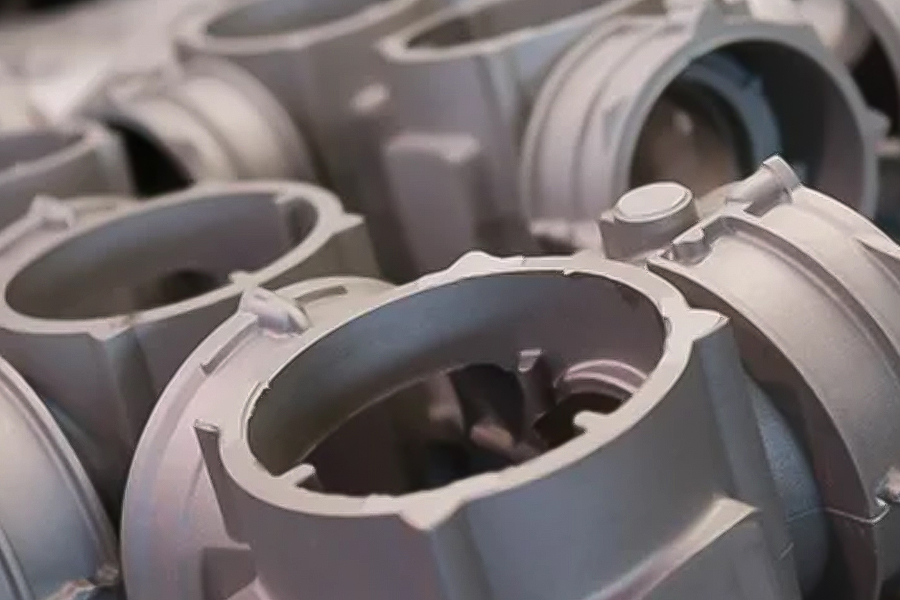
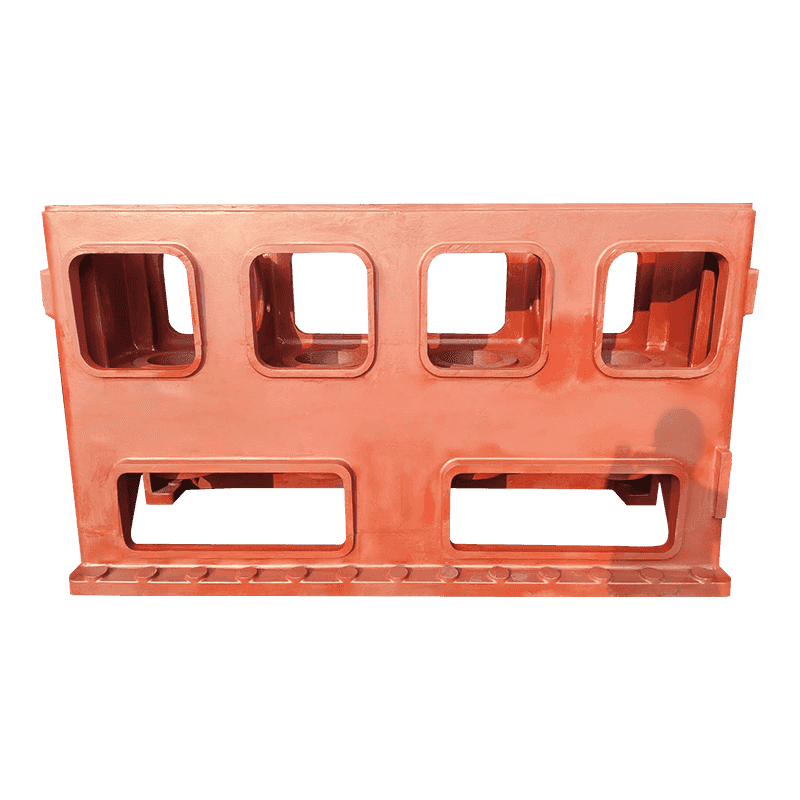
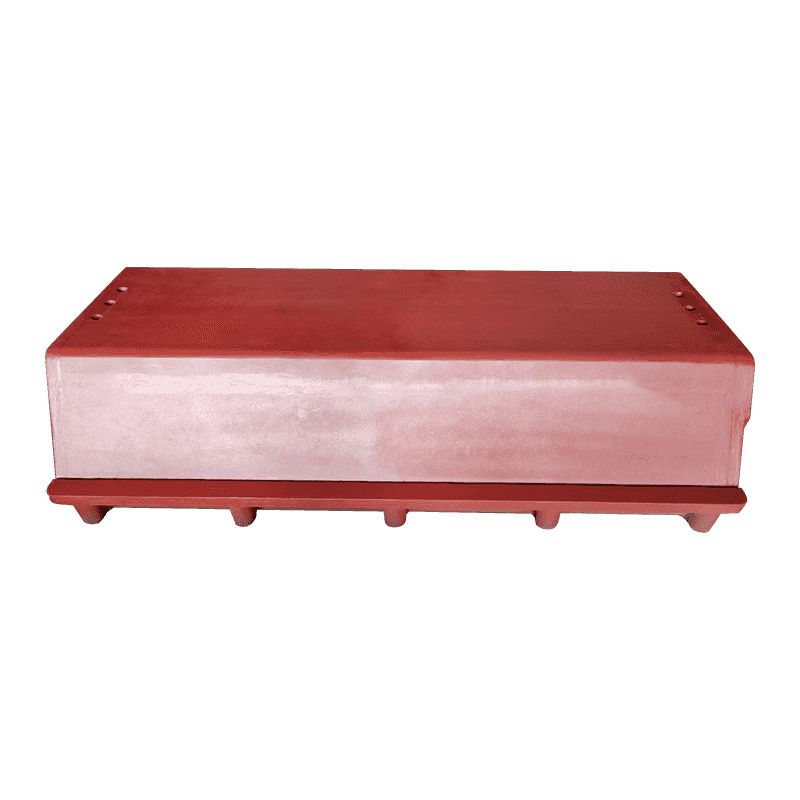
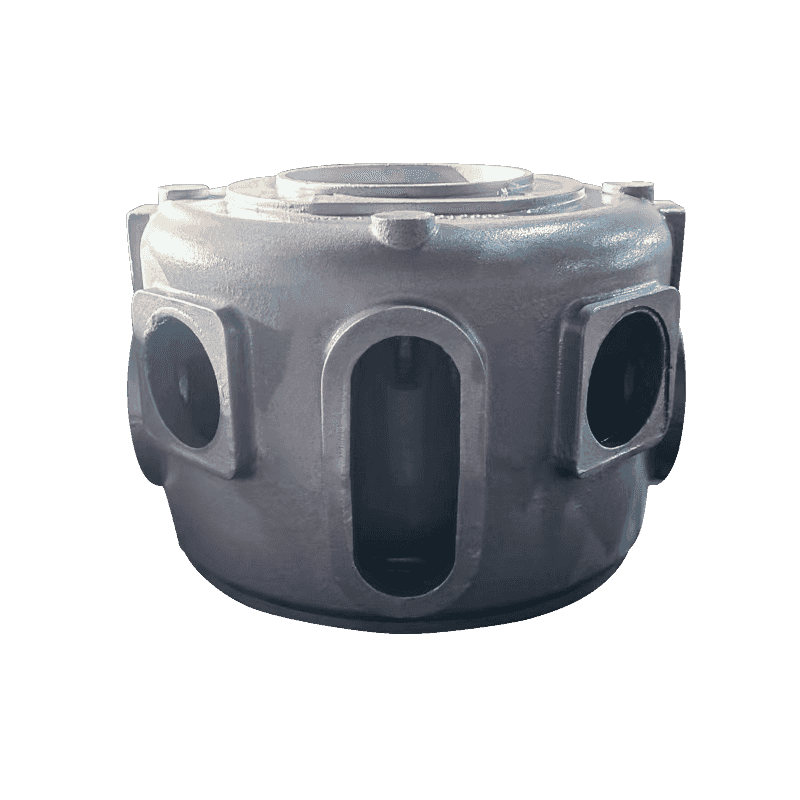
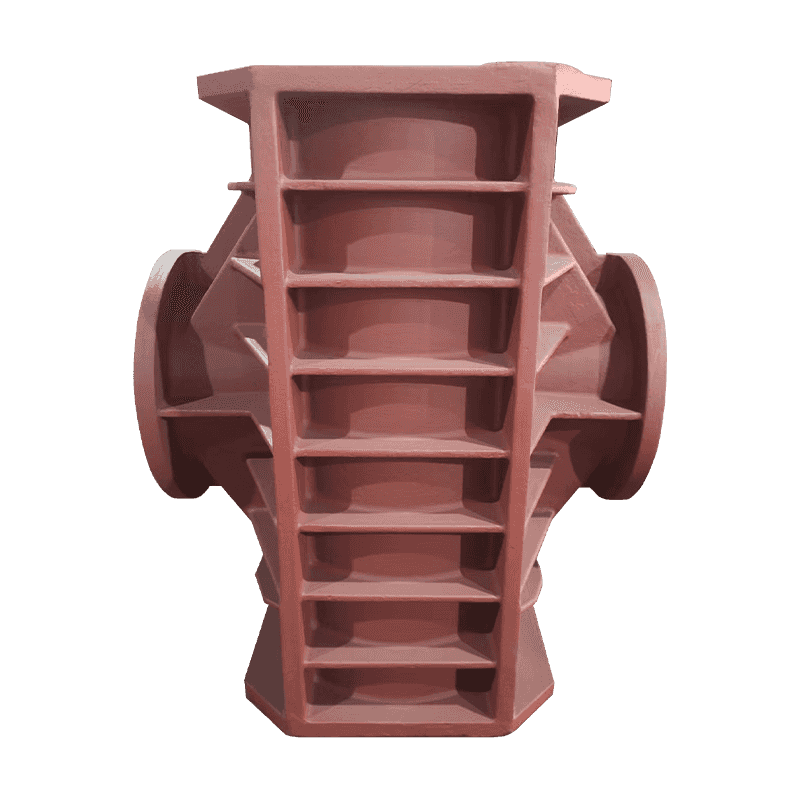
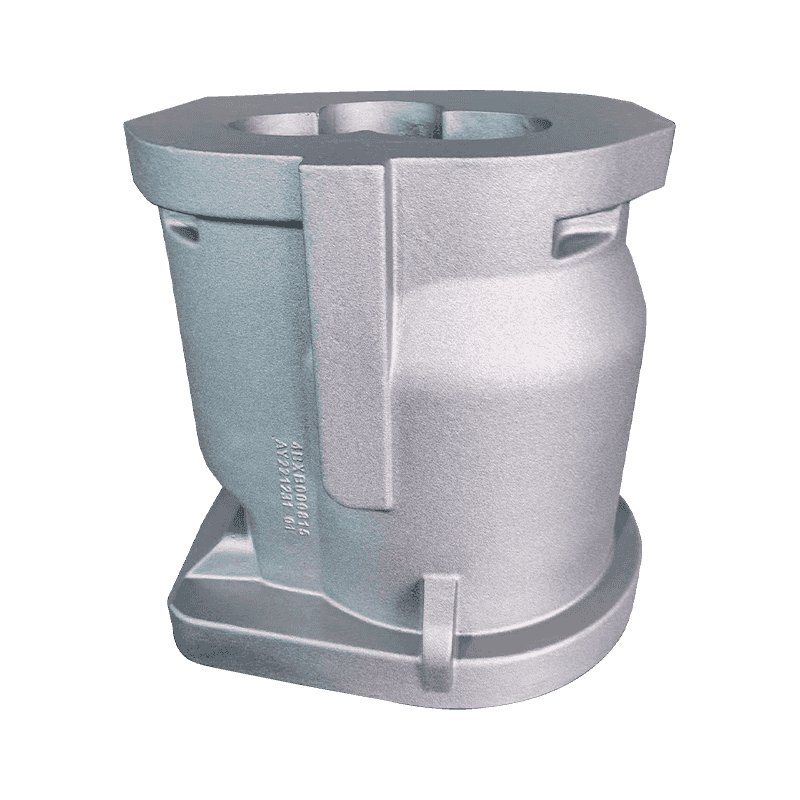
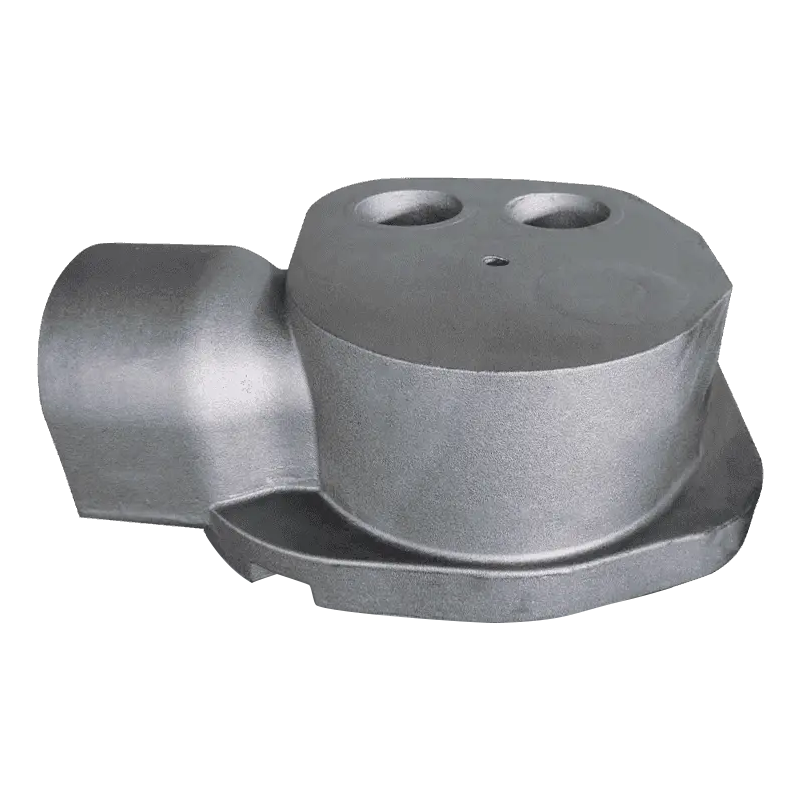
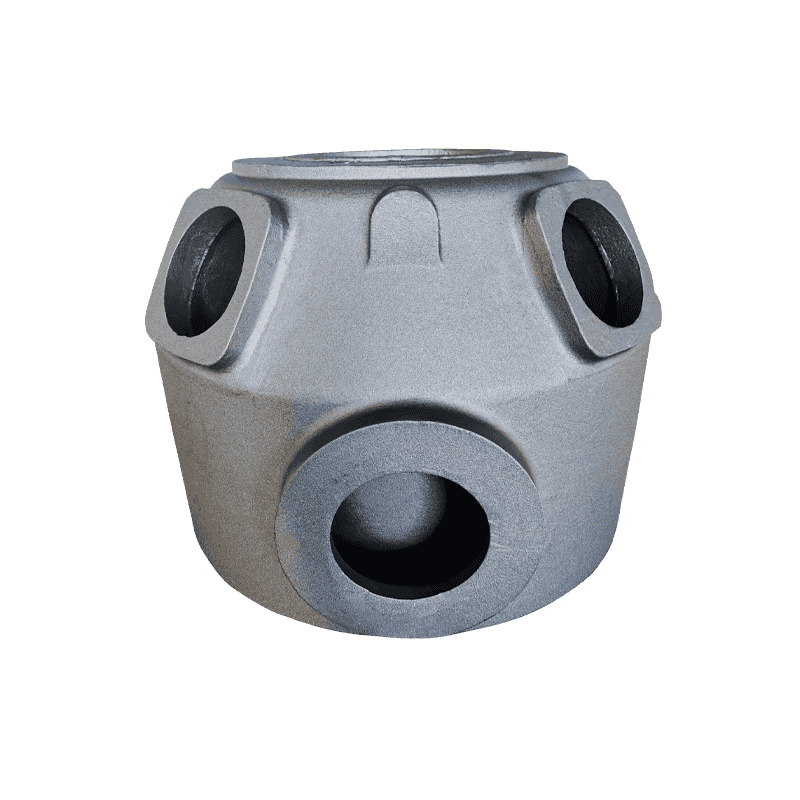
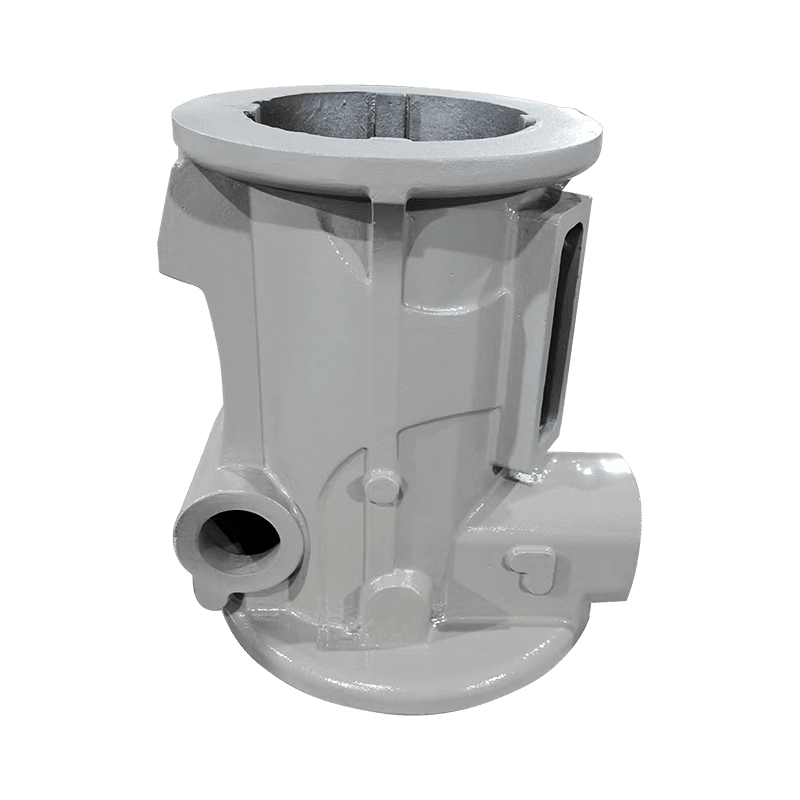
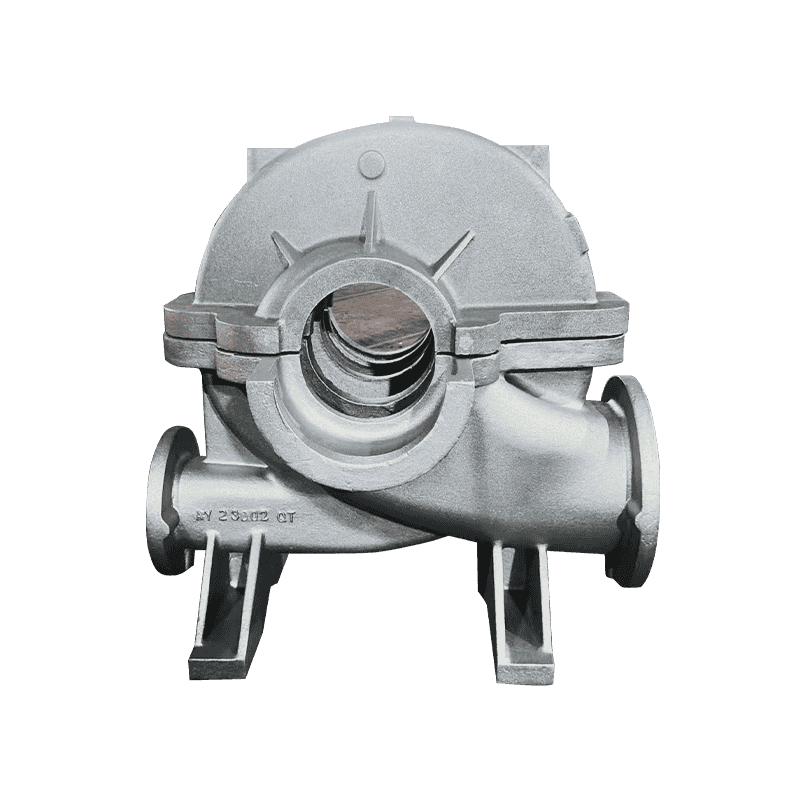
Despite its poor performance under bending, grey cast iron remains an excellent material choice for rigid, compressively loaded, or vibration-damping applications where flexing is not part of the design intent. Engine blocks, machine tool bases, pipe fittings, and pump housings are all typically static or primarily compression-loaded, allowing them to benefit from the excellent machinability, low cost, and vibration damping that gray iron casting offers, without exposing the material to the bending strains it cannot tolerate. In these roles, a well-controlled gray iron foundry process produces components that reliably outperform more ductile but more expensive materials on a cost-per-function basis.
Success — Where It Genuinely Shines
For static, compression-loaded, vibration-sensitive components, grey cast iron remains one of the most cost-effective and reliable material choices available.
Better Alternatives for Flexing or Bending Applications
When a design genuinely requires elastic bending, deflection, or flexing behavior, the following alternatives are typically specified instead of grey cast iron:
- Ductile (nodular) iron replaces graphite flakes with spherical nodules, raising elongation to 10–18% while retaining much of the cost and castability advantage of iron.
- Structural or spring steel provides the high elongation and fatigue resistance required for brackets and springs subject to repeated flexing.
- Aluminum alloys offer moderate ductility combined with lower weight for panels and enclosures that must flex slightly during handling.
- Engineered composites can be tailored for specific flexural stiffness and fatigue life in specialized applications.
Info — Matching Material to Function
The right substitute depends on the load profile: fatigue-driven flexing favors ductile iron or steel, while weight-sensitive flexing favors aluminum or composites.
Final Takeaway for Design Engineers
Grey cast iron is unsuitable for parts that require bending or flexing because its graphite flake microstructure severely limits plastic deformation, concentrates stress at flake tips, and behaves asymmetrically under tension versus compression. Any gray iron casting exposed to repeated flexing, vibration-induced bending, or shock loading is at meaningful risk of sudden, unpredictable fracture rather than gradual, visible deformation. The correct engineering response is not to force grey cast iron into flexing roles, but to reserve it for the rigid, compressively loaded, vibration-damping applications where a properly controlled gray iron foundry process genuinely delivers superior value, and to select ductile iron, steel, or aluminum wherever elastic bending is part of the functional requirement.